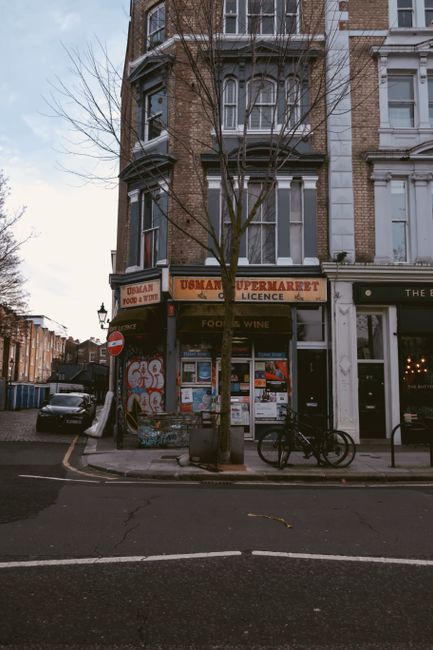
Belsize Park office removals for local shops and studios
If you run a shop, beauty studio, design practice, or small creative workspace in Belsize Park, moving is rarely just a matter of boxes and a van. There are till systems to protect, stock to count, clients to keep happy, and neighbours who probably won't thank you for noisy chaos at 8am. That's why Belsize Park office removals for local shops and studios need a careful, local-first approach.
This guide walks through what the process looks like, how to plan it properly, where the common snags appear, and how to keep trading pressure to a minimum. It also covers the practical side: packing, access, timing, insurance, storage, and the small decisions that make a move feel orderly instead of frantic. Truth be told, a well-run commercial move is usually won or lost before the moving day even begins.
For businesses with furniture, stock, files, or specialist equipment, it can help to look at broader commercial moves and office relocation services alongside the move itself, because local shops and studios often need a blend of both.
Table of Contents
- Why Belsize Park office removals for local shops and studios Matters
- How Belsize Park office removals for local shops and studios Works
- Key Benefits and Practical Advantages
- Who This Is For and When It Makes Sense
- Step-by-Step Guidance
- Expert Tips for Better Results
- Common Mistakes to Avoid
- Tools, Resources and Recommendations
- Law, Compliance, Standards, or Best Practice
- Options, Methods, or Comparison Table
- Case Study or Real-World Example
- Practical Checklist
- Conclusion
- Frequently Asked Questions
Why Belsize Park office removals for local shops and studios Matters
Belsize Park has a very specific rhythm. Streets can be tight, parking can be awkward, and many premises operate in buildings that were never designed with modern business moves in mind. So when you're relocating a studio or independent shop, the real challenge is rarely the lifting itself. It's the coordination.
A nail studio with treatment couches and delicate electrical kit has different needs from a small retailer moving shelves, seasonal stock, and a card machine setup. A photography studio may need careful handling of lighting, backdrops, monitors, and fragile props. An office move is one thing; a shop or studio move is often an office move plus retail logistics, customer continuity, and a bit of fashionably fragile equipment. Not ideal if you leave it to chance.
Local relevance matters too. In Belsize Park, you may be dealing with residential-style buildings, basement access, shared entrances, or time restrictions that make speed and planning essential. A move that works on paper can still go sideways if the loading bay is blocked, the lift is smaller than expected, or the contents list is more optimistic than accurate.
Expert summary: the best commercial removals for local shops and studios are not the fastest ones on the day; they're the ones that were mapped out clearly a week earlier, with access, packing, and reopening in mind.
If your move also involves wider business relocation planning, the linked pages on office removals and removal services can be useful reference points for understanding how a professional move is typically structured.
How Belsize Park office removals for local shops and studios Works
Most successful moves follow a fairly simple pattern, though the details change depending on the size of the shop or studio. The process starts with an assessment: what is being moved, what needs dismantling, what is fragile, and what has to be available first at the new address.
Then comes scheduling. For local businesses, that usually means choosing a time that causes the least disruption. Early mornings, evenings, or slower trading days are common options. Some studios even prefer a split move: essentials first, less urgent items later. That's not overcomplicating things; it's often just sensible.
On moving day, the team will typically load items in a sequence that protects fragile or high-priority goods. Desks, display units, filing cabinets, mirrors, stock crates, and boxed equipment may each need a different handling approach. If the property has narrow stairs or a tight entrance, the route matters almost as much as the load list.
After arrival, furniture and equipment are placed by zone. For a studio, that might mean client area, preparation area, and storage. For a shop, it could be stockroom, front-of-house display, checkout position, and back office. The move is not finished when the last item is inside. It's finished when you can actually work again.
For businesses that need packing support, the dedicated packing and boxes and packing and unpacking services pages are useful because packing quality has a direct impact on how cleanly the move goes.
Key Benefits and Practical Advantages
A good removal plan does more than move things from A to B. It protects revenue, reduces stress, and keeps your business looking organised even during a transition. In Belsize Park, where many local businesses rely on repeat clients and word of mouth, that matters a lot.
- Less downtime: careful planning helps you reopen or restart work sooner.
- Better protection for stock and equipment: proper packing reduces avoidable damage.
- Cleaner handover: a structured move makes it easier to leave the old space tidy.
- More control over the day: you know what is moving, when it is moving, and where it is going.
- Reduced staff stress: your team can focus on their actual jobs instead of last-minute scrambling.
There's also a subtle but important benefit: confidence. When a move is well managed, the team usually settles in faster. You'll notice people stop asking, "Where did that go?" every five minutes. Small thing, but it helps.
For smaller premises, a flexible vehicle option can be enough. For more involved jobs, the wider choice of man and van, man with a van, or moving truck can help match the vehicle to the job rather than forcing the job to fit the vehicle.
Who This Is For and When It Makes Sense
This kind of service suits a surprisingly wide range of local businesses. If your premises contains equipment, stock, display units, or client-facing furniture, you're probably in the right territory.
Typical users include:
- Independent retail shops
- Hair, beauty, and wellness studios
- Creative studios and design spaces
- Small consultancies and professional offices
- Practice rooms, therapy rooms, and treatment spaces
- Pop-up businesses taking on a more permanent unit
It makes sense when you are moving within Belsize Park, relocating to another nearby London area, changing unit size, or simply reconfiguring your workspace. Sometimes the trigger is growth. Sometimes it's a lease ending. And sometimes, to be fair, it's just that the current setup no longer works.
If your business needs short-term overflow space during the transition, storage can be a very practical bridge. A few boxes away from the worksite can remove a lot of pressure.
For businesses shifting furniture, shelving, or unwanted items as part of the process, it may also help to review furniture removals and furniture pick up if old stockroom pieces need to be cleared responsibly.
Step-by-Step Guidance
If you want the move to feel manageable, break it into stages. The move itself is only one chapter.
- Audit what you own. List furniture, stock, tools, paperwork, signage, and anything fragile. Be honest here. Half-finished inventories cause headaches later.
- Decide what travels first. Identify essentials for reopening: payment systems, core equipment, laptops, client files, and key stock.
- Measure access. Check doors, stairs, lifts, corridors, and parking points. If a sofa-like treatment chair has to round a corner, you want to know before move day.
- Book the right support. Choose the move type that fits your volume and complexity, whether that's a smaller van setup or a fuller commercial move.
- Pack by zone and priority. Keep each department or work area grouped together. Label clearly. "Box 1" is not enough unless you enjoy detective work.
- Protect fragile and high-value items. Wrap screens, glass, mirrors, specialist lamps, and delicate stock carefully.
- Set a reopening order. Place the things you need first at the destination so the team can get back to work quickly.
- Do a final walkthrough. Check cupboards, under desks, rear storage, and any forgotten shelf corners. The last forgotten item is always the one you need tomorrow.
This is where planning links directly to service choice. If the move involves a lot of dismantling or a more complex layout, a broader office relocation services approach may be more suitable than a simple point-to-point transport job.
Expert Tips for Better Results
A few small decisions can make a very big difference. In our experience, the businesses that move smoothly tend to do the ordinary things well.
- Move inventory in categories, not random piles. Retail stock, stationery, cables, display pieces, and personal items should not all be packed the same way.
- Keep one "first day" box. Put keys, chargers, tape, scissors, kettle supplies, basic tools, and essential documents in it.
- Photograph setups before dismantling. Useful for shelving, displays, or cable-heavy workstations.
- Use simple labels. Room name, item type, and priority level work well.
- Protect floors and walls. Especially in older buildings where scuffs happen fast.
- Keep clients informed. A short notice about reduced opening hours or temporary disruption avoids confusion.
One slightly old-school but effective trick: make a list of "must open today" items and keep it physically separate from everything else. Paper on a clipboard works. Not glamorous, but then neither is moving a filing cabinet at 7:15 in the morning.
If you need supplies for the move, the packing and boxes option is a practical starting point. If you want less stress on the day, the unpacking support can save real time.
Common Mistakes to Avoid
Most move problems are predictable. That's the irritating part. The good news is they're also avoidable.
- Underestimating access issues. A shopfront that looks simple may hide a narrow corridor or a difficult loading area.
- Packing too late. Last-minute boxing almost always creates confusion and breakages.
- Failing to separate essentials. If you mix daily-use items with archived stock, reopening slows down.
- Choosing the wrong vehicle size. Too small means extra trips. Too large can be awkward on local streets.
- Ignoring disposal needs. Old shelves, broken fixtures, and surplus items need a plan too.
- Not assigning one decision-maker. Too many people making move-day calls can muddle things quickly.
A common one, and it happens more than people admit, is forgetting the tiny items: remotes, charger cables, keys, spare card readers, adapters, the little things that somehow run the whole business. It's never just the big furniture that causes trouble.
When there are items to clear out, the related removal services and removals pages are useful because they sit neatly alongside the practical side of moving out and moving in.
Tools, Resources and Recommendations
You do not need fancy tools to run a good move, but a few basic things really help. Think practical, not perfect.
- Inventory sheet: a simple spreadsheet or printed list for stock and equipment.
- Strong tape and labels: for clear packing and destination marking.
- Bubble wrap or protective paper: for screens, glass, and fragile stock.
- Furniture blankets: helpful for desks, counters, and display pieces.
- Tool kit: screwdrivers, Allen keys, tape measure, knife, torch.
- Phone photos: excellent for documenting layouts before dismantling.
- Short staff briefing: keep everyone aligned on timing and responsibilities.
It can also help to compare move support with your actual needs. A small stockroom clear-out may be handled very differently from a multi-zone studio relocation. For a more flexible transport option, some businesses compare a standard vehicle setup with removal van or removal truck hire depending on scale.
If you need to dispose of unwanted furniture as part of the project, the linked pages for furniture removals and furniture pick up can help frame that side of the job too.
Law, Compliance, Standards, or Best Practice
For local shops and studios, compliance is usually more about responsible practice than paperwork theatre. Still, a move is a good time to pay attention to the basics.
If you employ staff, you should think about manual handling, clear walkways, and sensible lifting practices. If you store customer information, paperwork, or branded materials, privacy and confidentiality matter. If you handle stock or equipment that could be damaged, you want a clear chain of responsibility. Nothing exotic, just solid business sense.
It's also sensible to ask about insurance and how items are handled in transit. Many business owners assume everything is covered in the same way, and that's not always a safe assumption. Better to ask than assume. Always.
On the provider side, look for clear policies around safety, handling, and payment. Pages such as health and safety policy, insurance and safety, and payment and security help build confidence before the move begins. You should also be able to understand terms and conditions without decoding them like a puzzle, which is why terms and conditions matter more than people sometimes admit.
If your business values environmental responsibility, it may also be useful to consider recycling and sustainability when deciding what to keep, donate, reuse, or dispose of during the move.
Options, Methods, or Comparison Table
Different move methods suit different business types. Here's a simple comparison to make the choice clearer.
| Option | Best for | Strengths | Trade-offs |
|---|---|---|---|
| Small van move | Light studio kit, a few desks, small shop refit | Flexible, efficient, often simpler to park | May require multiple trips if underestimated |
| Man and van setup | Mixed small-to-medium loads | Practical for local jobs, good for quick access | Not ideal for very large or highly complex moves |
| Removal truck hire | Larger stock, bulky furniture, multi-room premises | More capacity, fewer trips | Needs better access planning and scheduling |
| Full office relocation | Businesses with equipment, files, furniture, and reopening targets | Structured approach, more end-to-end support | Requires clearer planning and coordination |
The right choice depends on volume, fragility, timing, and access. A small studio move can be deceptively fiddly, while a larger shop might actually be more straightforward if everything is boxed and grouped well. Funny how that works.
For smaller, straightforward jobs, a man with van arrangement can be enough. For more demanding relocations, a broader commercial package is usually the calmer path.
Case Study or Real-World Example
Imagine a local beauty studio on a Belsize Park side street. The team needs to move treatment couches, mirrors, retail shelves, a till system, stock drawers, and a few boxes of consumables. The new unit is only a short distance away, but the old property has a tight entrance and the new one has a narrow internal staircase.
In that sort of move, the winning approach is usually simple:
- Pack all consumables and stock by treatment area
- Remove small items first so the room opens up
- Label mirror boxes and screen boxes clearly
- Move the till and payment equipment separately
- Place the couches and display furniture last at the new site
At one point, the move may feel messy. That's normal. You might have a stack of boxes by the doorway, a roll of tape in one hand, and a client asking whether you'll reopen tomorrow. It happens. But with a clear plan, the room becomes workable again faster than most people expect.
If there are old items not worth taking forward, combining the move with furniture removals or even a pre-move clear-out can make the new space feel cleaner from day one.
Practical Checklist
Use this checklist before the moving day arrives. It keeps the job honest.
- Inventory completed
- Fragile items identified and packed
- Essential equipment separated
- Access checked at both properties
- Parking/loading arrangements confirmed
- Staff briefed on timing and responsibilities
- Client communication prepared if needed
- Old furniture or surplus stock planned for removal
- Storage arranged if the move is staged
- First-day box packed and easy to find
Key takeaway: the smoother the preparation, the less the move feels like a crisis. That is really the whole game.
If you are comparing options or trying to keep the move simple, start with the most practical route for your load size and access conditions, then build from there. For many local businesses, the right mix of removal van, packing support, and careful scheduling is enough to turn a stressful day into a manageable one.
Get a free quote today and see how much you can save.
Conclusion
Belsize Park office removals for local shops and studios are really about continuity. Yes, you need transport. Yes, you need people who can move furniture safely. But the deeper goal is to keep your business steady while everything around it shifts. That means planning access, protecting equipment, packing intelligently, and choosing a move method that matches the way your business actually works.
When a move is handled well, the new space doesn't just look ready; it feels ready. And that difference matters, especially for client-facing businesses where first impressions begin the minute the door opens. Take the time to do it properly, and the rest tends to fall into place.
For anyone in Belsize Park preparing a move, the calmest path is usually the one with the clearest plan. Slow is not the word. Prepared is.
Frequently Asked Questions
What makes Belsize Park office removals different for local shops and studios?
They usually involve more mixed contents, tighter access, and a stronger need to limit downtime. A studio may have delicate equipment, while a shop may need stock organised for immediate reopening. The move has to support trading, not just transport items.
How far in advance should I plan a local commercial move?
The sooner the better, especially if you need packing, dismantling, storage, or an exact move window. Even a small local move benefits from early planning because access and scheduling in London can change quickly.
Can a small studio move be handled with a van rather than a full truck?
Yes, often it can. If the load is modest and the access is manageable, a smaller vehicle may be the most efficient option. The important thing is to match capacity to the real volume, not the hoped-for volume.
What should I pack separately for the first day in the new space?
Keep payment equipment, keys, chargers, basic tools, essential paperwork, and the items you need to open or work immediately. That first-day box saves a surprising amount of stress.
Is storage useful during a shop or studio move?
Very often, yes. Storage helps when you are moving in stages, waiting for fit-out work, or holding onto seasonal stock and spare furniture while the new space is finalised.
How do I protect mirrors, glass, and screens during the move?
Use proper wrapping, upright positioning where appropriate, and clear labelling. It also helps to keep these items separate from heavier furniture so they are not crushed or knocked around.
What if my old premises has difficult access?
Then access planning becomes one of the most important parts of the job. Measure doors, stairs, and corridors, and check parking or loading options before move day. A local move can still be tricky if the route is tight.
Should I move all stock at once?
Not always. Some businesses do better with a staged move, especially if trading continues during part of the transition. Moving high-priority stock first and lower-priority items later can be a very sensible approach.
How can I reduce downtime during the relocation?
Pack in categories, keep essentials separate, choose the right timing, and make sure the new space is ready before the big items arrive. A clear reopening plan makes a big difference.
What kind of business items need extra care?
Fragile stock, mirrors, screens, specialist tools, electrical equipment, and anything custom-made or expensive should be handled carefully. It's worth treating these items as priority pieces, not just more boxes.
Do I need to clear out old furniture before the move?
Only if it will help the new space work better. Clearing out broken, outdated, or surplus furniture can make the move lighter and the new premises easier to set up. If you do need that step, furniture removal support can be very helpful.
What is the most common reason commercial moves go wrong?
Usually poor preparation. That might mean missing labels, unclear access details, unfinished packing, or assuming the move will somehow sort itself out. It rarely does. A calm plan beats a rushed one every time.