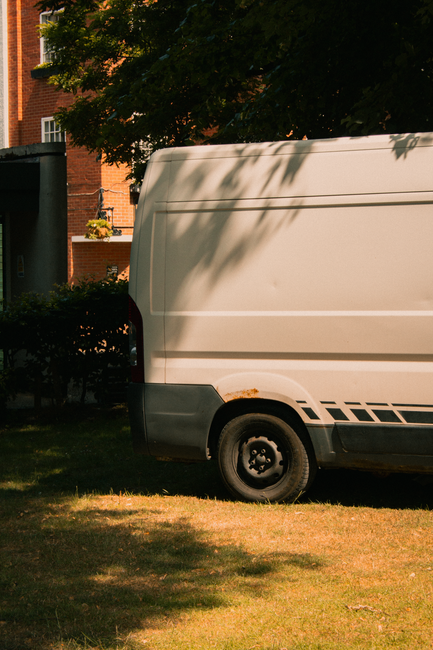
Belsize Park man and van for tight streets and access
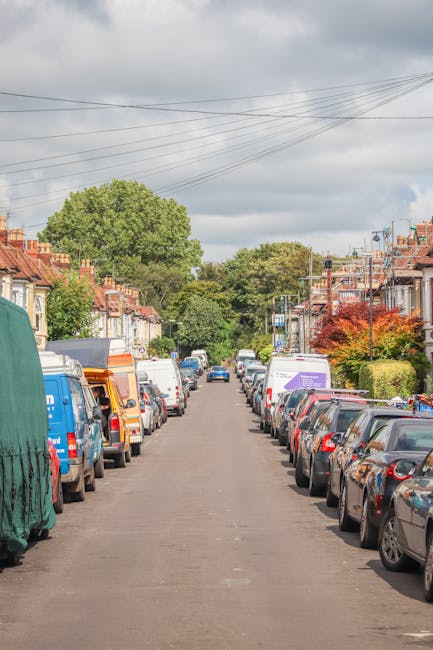
If you have ever tried to move in or out of Belsize Park, you already know the headache: narrow residential roads, awkward parking, basement steps, railings, garden walls, and buildings that seem to have been designed to make sofa removals just a little bit dramatic. A Belsize Park man and van for tight streets and access is not just a convenient option; in many cases, it is the sensible one. The right setup can save time, reduce stress, and help you avoid the sort of small problems that become big ones very quickly.
This guide breaks down how local moving support works in tight-access streets, what to plan for, where things usually go wrong, and how to prepare so the move feels steady rather than chaotic. Truth be told, a lot of successful moves in this part of London come down to good coordination, the right vehicle size, and a team that knows how to work carefully in confined spaces.
Why Belsize Park man and van for tight streets and access matters
Belsize Park has a very particular moving profile. It is a desirable area, but it is also the kind of place where a large vehicle can become a liability if you have not thought through the access properly. Cars parked close together, one-way stretches, residents coming and going, and older properties with awkward entrances all make a standard, oversized removal approach less practical.
That is where a smaller, more agile service makes sense. A man and van setup can get closer to the property, make loading and unloading more efficient, and reduce the back-and-forth walking that slows moves down in tight streets. In some streets, that difference is everything. You will notice it especially if you are carrying bulky items up or down steps, or if the only workable stopping point is a little way from the front door.
There is also a simple human side to it. Nobody enjoys seeing neighbours blocked in, a van sticking out into traffic, or an item being awkwardly balanced while someone tries to open a gate. A good access plan keeps the move calmer for everyone involved. That is the real value.
If you are comparing moving options, it can help to understand the broader service structure too. Pages such as removal services, removal van, and man and van give a clearer picture of how flexible local moving support is usually organised.
How Belsize Park man and van for tight streets and access works
The best way to think about it is this: the move is planned around access first, not just volume. That means looking at where the vehicle can stop, how far items need to be carried, whether there are steps or narrow hallways, and what time of day gives the best chance of a smooth load.
In a typical local move, the process might go like this:
- Discuss the property layout, item list, and likely access constraints.
- Choose a van size that fits the street and the load, rather than assuming bigger is better.
- Plan the loading order so the heaviest or most fragile pieces are handled sensibly.
- Agree on arrival timing that works with parking, neighbours, and building access.
- Load carefully, often with one person managing the carry path while another handles the van.
- Unload in a way that keeps hallways clear and avoids unnecessary damage.
That sounds straightforward, and mostly it is. But access changes the rhythm of the whole job. A basement flat with a tight stair turn behaves very differently from a second-floor apartment with a lift, and a decent mover will treat those as different jobs rather than the same one with different scenery.
For flats and smaller homes, the most relevant supporting service pages are often flat removals, home moves, and house removals. If you are moving a single item or a few pieces, you may only need a lighter-touch arrangement. If the move is larger or more complex, the same access logic still applies, just with more moving parts.
Key benefits and practical advantages
The biggest benefit is simple: a man and van can adapt. That flexibility matters in Belsize Park because the local environment rarely rewards rigid plans. Here are the advantages that usually matter most.
- Better street fit: smaller vehicles are easier to position in compact roads and tricky parking bays.
- Less carrying distance: if the van can stop closer, the team spends less time moving items across pavements.
- Faster problem-solving: access issues can be handled on the spot without turning the whole move into a delay.
- Lower stress for delicate items: fewer unnecessary handovers can mean less risk for furniture, glass, and electronics.
- More suitable for mixed loads: ideal when you are moving furniture, boxes, and a few awkward items rather than a full house worth of everything.
There is another advantage people underestimate: discretion. A smaller, well-managed move tends to feel less disruptive on a street where space is already at a premium. Let's face it, nobody wants to be the household that causes a traffic pause because the van was chosen without thinking about the road.
If you need more specialist support, furniture removals and furniture pick up are useful for single-item or partial-load situations. For larger domestic moves, house removalists can be a better fit when you want a fuller service with more hands on deck.
Who this is for and when it makes sense
This kind of moving service is especially useful for:
- People living in basement flats or upper-floor flats with narrow stairwells.
- Residents on streets where larger lorries would struggle to park safely.
- Students moving into or out of compact accommodation.
- Homeowners needing furniture collected, delivered, or shifted between addresses.
- Small businesses moving equipment through residential streets.
- Anyone with a move that involves awkward access, but not a full-scale removal truck.
It is also a strong option when timing matters. For example, if you need to clear a property quickly, a smaller vehicle can sometimes make the whole process more manageable. In that case, same day removals may be worth considering, provided the access details are accurate and the load is realistic.
Students often need this sort of service too. That is where student removals becomes relevant, especially for short-distance moves, shared houses, and tight hall entrances that make even a couple of boxes feel heavier than they should. Been there, more than once, with a stack of boxes that looked small until they reached the stairs.
Step-by-step guidance
If you want a smooth move in a tight Belsize Park street, a little preparation goes a long way. Here is a sensible step-by-step approach.
- Measure the access path. Check door widths, stair turns, lift size, and any courtyard or side entrance constraints.
- Look at the street itself. Is there room for a van to stop briefly? Will double parking be a problem? Is the road one-way?
- List the larger items. Sofas, wardrobes, beds, pianos, large mirrors, and office desks all need different handling.
- Prepare the property. Clear hallways, protect floors if needed, and move loose items away from the loading path.
- Pack for carry efficiency. Use sturdy boxes, label fragile items clearly, and avoid overfilling containers.
- Confirm timing. In narrow streets, even a 15-minute delay can affect parking and access windows.
- Keep one person available to guide the move. That person can answer quick questions about room placement and access decisions.
A practical detail that often gets missed: if the front door opens directly into a narrow corridor, plan where items will be staged before the van arrives. Otherwise, you get that awkward half-minute where everybody stands around holding something heavy, pretending the hallway is not now a bottleneck.
If packing is still underway, it helps to review packing and boxes or packing and unpacking services. A tidy load is much easier to move when access is tight.
Expert tips for better results
In our experience, the best tight-street moves are the ones where the access plan is treated as seriously as the packing. A few expert habits make a big difference.
- Book the right size of vehicle. Oversizing can make parking harder and add unnecessary pressure.
- Prioritise the carry route. A clear path inside the property often matters more than the van itself.
- Use soft protection for corners and frames. Tight hallways are where scuffs happen.
- Mark fragile or awkward boxes clearly. It sounds obvious, but mixed loads blur together quickly on move day.
- Keep essentials separate. Kettle, chargers, documents, and a change of clothes should not disappear into the last box.
- Allow a bit of slack in the schedule. Access takes time. More than people think, actually.
Expert summary: in a place like Belsize Park, the move usually succeeds or fails on access planning, not brute force. The best outcomes come from choosing a practical vehicle, mapping the carrying route, and keeping the loading process calm and efficient.
For bigger residential or mixed-property jobs, it can also help to compare support levels through removals and removal services. If you are moving beyond a small flat or a few items, those pages can help you think through the scope more clearly.
Common mistakes to avoid
The same mistakes come up again and again, and most of them are avoidable if you slow down for five minutes before the booking.
- Assuming street access will be easy. It often is not, especially during busy weekday periods.
- Forgetting to mention stairs, basement steps, or lift restrictions. That omission can create delays and extra strain.
- Packing boxes too heavily. One overfilled box can slow the whole chain of loading and unloading.
- Not checking parking or stopping options. A van needs somewhere workable to pause, even briefly.
- Leaving furniture unprepared. Loose shelves, unsecured doors, or missing screws create avoidable problems.
- Choosing a truck when the road really calls for a smaller van. Bigger is not always better. Sometimes it is just bigger.
Another subtle issue is assuming the move will be identical to the last one you did in a different area. Belsize Park is not a broad suburban road with easy kerbside access. It has its own rhythm, and the move works better when you respect that.
Tools, resources and recommendations
You do not need a mountain of specialist equipment, but a few practical items make a big difference in tight-access moves:
- Sturdy boxes in mixed sizes, so you can balance weight properly.
- Packing tape and labels, ideally applied before the last-minute rush.
- Furniture blankets or wraps for corners, polished surfaces, and table edges.
- Basic floor protection if the route includes soft flooring or tight turns.
- A phone note listing access details, entry codes, and the destination room plan.
For moves involving special items, use the service page that matches the load. A single upright instrument may need different handling from a standard sofa, which is why piano removals exists as a more specific option. Likewise, if your move is really an office transition, office removals or office relocation services may be more appropriate than a domestic-style job.
And if you are moving things out rather than into a property, services such as removal van or man with van can be a neat fit for lighter or mixed loads. Not every move needs the biggest vehicle in the street, despite what some people think.
Law, compliance, standards, or best practice
When a move happens in a residential London area, there are a few practical compliance points to keep in mind. The exact requirements can vary depending on the street, the building, and the property management rules, so it is wise to treat access carefully rather than guess.
Good practice usually means:
- Parking and stopping only where it is safe and permitted.
- Respecting building rules around loading bays, lifts, shared hallways, and resident access.
- Using appropriate lifting methods to reduce the chance of injury or damage.
- Making sure items are secured properly during transit.
- Checking insurance and safety arrangements before the move, especially for higher-value or fragile belongings.
If you want reassurance about operational standards, it is sensible to read the site's own policy pages, including health and safety policy, insurance and safety, and terms and conditions. Those pages are useful because they show how the service thinks about risk, responsibility, and safe handling in real jobs, not just in theory.
For customers who care about how items are managed after a move, recycling and sustainability is also worth a look. If unwanted furniture needs clearing, the process should be handled responsibly, and that includes thinking about reuse, recycling, and lawful disposal. Simple stuff, but easy to overlook when everyone is rushing.
Options, methods, or comparison table
Choosing the right moving setup depends on access, volume, and how much hands-on help you need. Here is a practical comparison.
| Option | Best for | Strengths | Limitations |
|---|---|---|---|
| Man and van | Small to medium moves, awkward streets, mixed loads | Flexible, easier parking, good for tight access | Less suitable for very large multi-room moves |
| Removal van | Furniture deliveries, compact relocations, local transport | Useful balance of space and manoeuvrability | May still be too large for the narrowest streets |
| Removals team | Larger home or office moves with more possessions | More support, more structure, better for bigger jobs | Can be overkill for a simple local load |
| Moving truck hire | Bulkier or multi-stop jobs where capacity matters most | High load space | Harder in tight streets and parking-limited areas |
There is no universal winner. If the street is awkward and the load is modest, a smaller flexible setup usually wins on practicality. If the move is bigger, other options may be more suitable. That is why it helps to compare removal truck hire and moving truck against the reality of the road outside your door.
Case study or real-world example
Imagine a second-floor flat in Belsize Park with a narrow stairwell, no lift, and parking that is already tight by mid-morning. The customer needs a bed frame, mattress, desk, two chairs, six boxes, and a couple of lamps moved locally. On paper, that sounds manageable. In reality, the access is the main issue.
A sensible man and van approach would look at the street in advance, schedule the move for a quieter window, and use a vehicle size that can stop without blocking the road. The team would likely carry items in smaller batches, protect the bannister on the stair turn, and unload in a planned order so the bed parts and mattress do not get buried under random boxes. Nothing flashy. Just methodical, careful work.
The move gets done because the plan matches the location. Simple as that. And the customer, importantly, avoids the sort of last-minute scramble where furniture is left in the hallway while somebody goes looking for parking space. We have all seen that kind of thing. It never feels elegant.
Practical checklist
Use this checklist before the move day. It saves hassle, honestly.
- Measure doors, stair turns, and lift access.
- Confirm whether the van can stop near the property.
- Identify any basement, attic, or top-floor access issues.
- Separate fragile items and label them clearly.
- Disassemble furniture where it helps with narrow routes.
- Protect floors, corners, and bannisters if needed.
- Keep documents, chargers, and essentials aside.
- Share building instructions, entry details, and room preferences.
- Check whether you need temporary storage if the timing between properties is not perfectly aligned.
- Have a backup plan for parking or access if the street is busy.
Key takeaway: the smoother the access plan, the less "moving day drama" you will have to deal with. And frankly, that is worth a lot.
Get a free quote today and see how much you can save.
Conclusion
A Belsize Park man and van for tight streets and access is about more than transport. It is about understanding the street, planning the carry route, choosing a vehicle that fits the reality of the area, and keeping the move calm and controlled. When those pieces come together, even a tricky flat or a cramped road becomes manageable.
If you are weighing up your options, focus first on access, then on load size, then on timing. That order matters more than most people think. Once you do that, the rest usually falls into place. Not perfectly, maybe, but well enough that the day feels under control rather than chaotic. And that is a good place to be.
For a service overview and helpful policy information, you can also review about us, pricing and quotes, and contact us when you are ready to make the next step.
Frequently Asked Questions
What makes a man and van better for tight Belsize Park streets?
A smaller, more flexible vehicle is usually easier to position in narrow roads, and it can reduce the distance items need to be carried. That makes the whole move more manageable in confined access areas.
Can a man and van handle flats with stairs or no lift?
Yes, provided the job has been planned properly. Stairs, turns, and landing space need to be mentioned in advance so the team can prepare the right approach and allow enough time.
Is this service suitable for furniture only?
Absolutely. It is often a good choice for sofas, beds, wardrobes, tables, and similar items, especially when access is awkward and you do not need a full-scale removal crew.
How far in advance should I book?
As early as you can if the access is tight or the move is time-sensitive. Last-minute bookings can still work, but with narrow streets, parking and timing matter more than usual.
What should I tell the mover before the job?
Tell them about stairs, parking restrictions, lift sizes, entry codes, long carries, basement access, and any fragile or oversized items. The more accurate the picture, the better the move tends to go.
Do I need to empty furniture before the van arrives?
Where possible, yes. Emptying drawers, removing loose shelves, and securing doors makes lifting safer and reduces the chance of damage during transit.
What if the van cannot stop right outside my door?
That is common in London and not necessarily a problem. The key is to plan the carry route and allow time for the extra distance. A good team will work around it without making a fuss.
Is same-day moving realistic in Belsize Park?
Sometimes, yes. It depends on how much needs moving, how clear the access is, and whether the vehicle can reach the property safely. For smaller jobs, it can be a practical solution.
Do I need storage between moving out and moving in?
If the dates do not line up neatly, storage can be very helpful. It gives you breathing room and stops the move from becoming a rushed chain of decisions.
How do I choose between man and van and a larger removals service?
Choose based on volume, access, and how much help you need. If the street is tight and the load is moderate, man and van is often the better fit. If the move is larger or more complex, a fuller removals service may be the safer choice.
Are packing services useful for tight-access moves?
Yes. Good packing makes loading faster, safer, and more organised. It also helps if there are narrow staircases or a longer carry from van to door.
Where can I check policies and service details before booking?
It is sensible to review the provider's own policy pages, including insurance, safety, terms, and pricing information, so you know what to expect before move day.